

Is Fragrance-Free the Same as Unscented? What Those Two Words Really Mean
They sound identical on a label, but "fragrance-free" and "unscented" can mean very different things — and one of them may still hide added perfume. Here is how to read the bottle and trust what is inside.
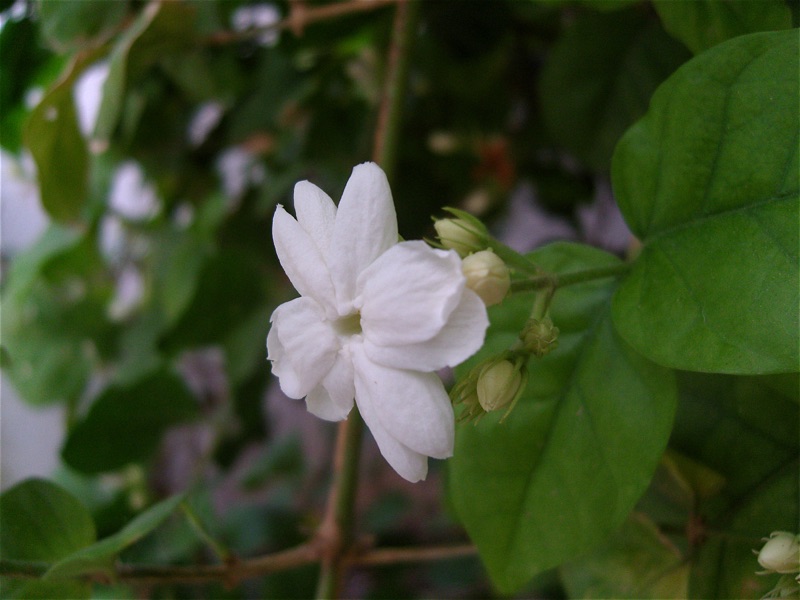
Short answer: No — FDA notes “unscented” products may still add fragrance to mask other smells, while “fragrance-free” should mean no added fragrance ingredients. Terms are not tightly regulated; read the full list. Prefer a plant-based, fragrance-free Ecolosophy concentrate with nothing to hide — small-batch, made with care.
Two words, two very different promises
Walk down any cleaning aisle and you will see both words used like they mean the same thing. They do not. The confusion is not an accident — it is one of the most common label tricks in the home-care world, and it works because most of us have never been told the difference.
Here is the distinction in plain language, and in the FDA's. Fragrance-free is a statement about what went into the bottle — per FDA, such products "should not contain any added fragrance ingredients." Unscented is a statement about what your nose detects, and FDA warns that products so labelled "may contain fragrance ingredients" because a manufacturer "may add just enough fragrance to mask the unpleasant smell of other ingredients." FDA's labelling guidance even spells out how it is declared: a masking agent "may be declared by their individual name(s) or as 'fragrance'."
It sounds like splitting hairs. It is not. If you or your kids react to fragrance, if you are pregnant, if someone in your home has asthma or sensitive skin, the question "is there any added fragrance in this at all?" matters a great deal. And "unscented" does not answer it.
Why "fragrance" is the word that hides the most
The bigger problem sits underneath both terms: the word "fragrance" itself. FDA explains that fragrance and flavour ingredients "can be listed simply as 'Fragrance' or 'Flavor'" because those formulas "are complex mixtures of many different natural and synthetic chemical ingredients," and are "the kinds of cosmetic components that are most likely to be 'trade secrets'." That is why one short word on a back label can represent a long, undisclosed list.
This is the part most people find genuinely surprising. You can read every other ingredient on a bottle, recognize most of them, and still have no idea what is inside that one catch-all word. For the ingredient-conscious parent — the kind who scans products with apps like Yuka or Think Dirty before they buy — that single line is a black box, and it's part of why we did a full head-to-head on whether Mrs. Meyer's is really non-toxic given how much it leans on "fragrance." And "unscented" products that use a masking fragrance can carry that same black box, even though the bottle implies "nothing added."
We are not saying every fragrance is dangerous. We are saying you deserve to know, and that a product which simply leaves fragrance out entirely never makes you guess.
Fragrance-free vs. unscented: a side-by-side look
The clearest way to hold the difference in your head is to compare what each claim actually tells you — and, just as important, what it does not.
| Question | "Fragrance-free" (typically) | "Unscented" (typically) |
|---|---|---|
| Were fragrance ingredients added? | No — that is the whole point of the claim | Possibly — a masking fragrance may be added to cover odor |
| What is it describing? | What is in the formula | How the product smells to you |
| Could it still trigger a fragrance sensitivity? | Much less likely, if truly fragrance-free | Yes, if a masking fragrance is present |
| Does it guarantee a full ingredient list? | No — the claim alone is not a substitute for reading the label | No |
| Best for fragrance-sensitive homes? | Generally the safer choice to look for | Read carefully before trusting it |
One honest caveat, and FDA says it first: the agency "doesn't have regulations governing the use of these terms." These are conventions, not airtight legal definitions every brand follows identically. That is exactly why the label and the ingredient list matter more than the word on the front. Treat "fragrance-free" as a strong signal, then verify it by reading what is actually listed.
How to read a label so the words can't fool you
You do not need a chemistry degree to protect your home. You need a short, repeatable routine. Here is the one we wish every parent had been handed years ago.
1. Look past the front of the bottle. The front is marketing. "Unscented," "naturally derived," "fresh" — none of those are the same as a complete ingredient list. Flip the bottle over.
2. Find the word "fragrance" or "parfum" in the ingredients. If it appears, the product contains added fragrance — even if the front says "unscented." That single word can represent many undisclosed ingredients, so its presence is the thing to notice.
3. Prefer "fragrance-free" over "unscented." When you have the choice, "fragrance-free" is the claim more likely to mean nothing was added. Still verify it against the ingredient list.
4. Reward full transparency. The brands worth your trust publish what is in everything, in plain language, without a mystery line. If a company is proud of its formula, it shows you the formula.
5. When in doubt, choose fewer ingredients. A short, readable list you can actually understand is harder to hide things in than a long one full of names you would have to look up.
Want the room-by-room version of this?
The free 7-Day Home Detox walks you through one room a day — what to toss, what to keep, what actually matters.
The truth nobody in the cleaning aisle says out loud
Scent does not clean. Let that land for a second. The thing that lifts grease off your stove and grime off your floor is the surfactant chemistry — the part of the formula that actually does the work. The smell is added on top, for marketing, so a product feels "clean" the moment you spray it. That fresh-linen, mountain-breeze, lavender-field smell is a feeling, engineered. It is not doing the cleaning.
Which means the entire reason most products carry fragrance at all is emotional, not functional. And when a brand adds a masking fragrance to an "unscented" product, it is layering perfume on perfume — adding a scent whose only job is to hide another scent. For a home with a crawling baby, a curious dog, or anyone who reacts to fragrance, that is a lot of hidden chemistry serving no cleaning purpose whatsoever.
Once you see it, you cannot unsee it: you have been buying a smell, and calling it clean.
Why Ecolosophy is genuinely fragrance-free
This is the lane we deliberately chose. The Ecolosophy Pure Serenity Kit has no artificial scents — plant-based and fragrance-free. It is plant-based and family-, pet-, and planet-safe. We did not make it smell like nothing by hiding the smell — we left fragrance out, because nothing about cleaning your home requires it.
That choice is personal. Ecolosophy was founded by Italo Campilii after more than two decades of chronic illness taught him how directly the things in our environment can affect our health. When that is your starting point, "just add a perfume to cover the smell" is never on the table. Our products are small-batch and made with care, and we publish what is in them because radical transparency is the whole promise.
The concentrate is also built for real family life. You just add water: one bottle of active ingredients makes 100+ spray bottles, so you can refill and re-clean the high-touch spots as often as you want without thinking about cost. It replaces dozens of single-use cleaning products and saves roughly 42.75 lbs of CO2 per bottle. The kit runs $49.95–$65 depending on packaging. One honest note: it is a cleaner, made to cut everyday dirt, grease, and grime — not an EPA-registered disinfectant.
Frequently asked questions
Is "fragrance-free" the same as "unscented"?
No. Per FDA, "cosmetics labeled as 'fragrance free' should not contain any added fragrance ingredients," whereas "even some products labeled 'unscented' may contain fragrance ingredients" because a manufacturer "may add just enough fragrance to mask the unpleasant smell of other ingredients, without giving the product a noticeable scent." FDA also notes it has no regulations governing either term, so always confirm by reading the full ingredient list.
Can an "unscented" cleaner still contain fragrance?
Yes — FDA says so directly. Its labelling guidance adds that a masking agent "covering the undesirable off-odor of a product without adding a discernable odor to it, may be declared by their individual name(s) or as 'fragrance'." So the added fragrance can appear as that single word. If avoiding added fragrance matters to you, look for "fragrance-free" and check the ingredients — our full guide to reading a cleaning product label covers the rest of the tricks to watch for.
Why does the word "fragrance" on a label matter so much?
Because FDA allows fragrance ingredients to "be listed simply as 'Fragrance'" since such formulas "are complex mixtures of many different natural and synthetic chemical ingredients" likely to be trade secrets. That makes it hard to know exactly what is inside. The presence of "fragrance" or "parfum" on an ingredient list tells you added scent is in the product, even if the front of the bottle says "unscented."
Does fragrance help a cleaner work better?
No. The cleaning is done by the surfactant chemistry in the formula, not by the scent. Fragrance is added for the experience and for marketing, not for cleaning power. A genuinely fragrance-free cleaner like the Ecolosophy All-Purpose Cleaning Concentrate cuts everyday dirt, grease, and grime without any added scent.
Is a fragrance-free cleaner better for kids and pets?
For homes where someone reacts to fragrance, or where a baby crawls on the floor and a pet investigates every surface, leaving fragrance out removes a layer of hidden, non-essential chemistry. The Ecolosophy concentrate is plant-based and family-, pet-, and planet-safe. As with any cleaner, store it sealed and out of reach.
How do I know Ecolosophy is really fragrance-free?
Because we publish what is in everything in plain language and add no artificial scents or synthetic chemicals — there is no masking fragrance and no mystery "fragrance" line to decode. Our products are plant-based and small-batch, made with care, and transparency is the core of the brand.
📕 Free download · 28 pages
Not ready to switch yet? Get the free playbook.
28 pages, every non-toxic swap, room by room. One email, no spam.
We'll email it from hello@ecolosophy.com. Reply anytime — a real person answers.
Sent. Check your inbox.
The download link is heading to your email. If you don't see it in 2 minutes, look in Promotions or hit resend.
Or grab it right now: Download the 28-page PDF →
Couldn't deliver — try again? Retry
← Back to the full Non-Toxic Cleaning Guide
Keep Reading
Pure Serenity Kit
$69 · 4.97★ · 72 reviews