
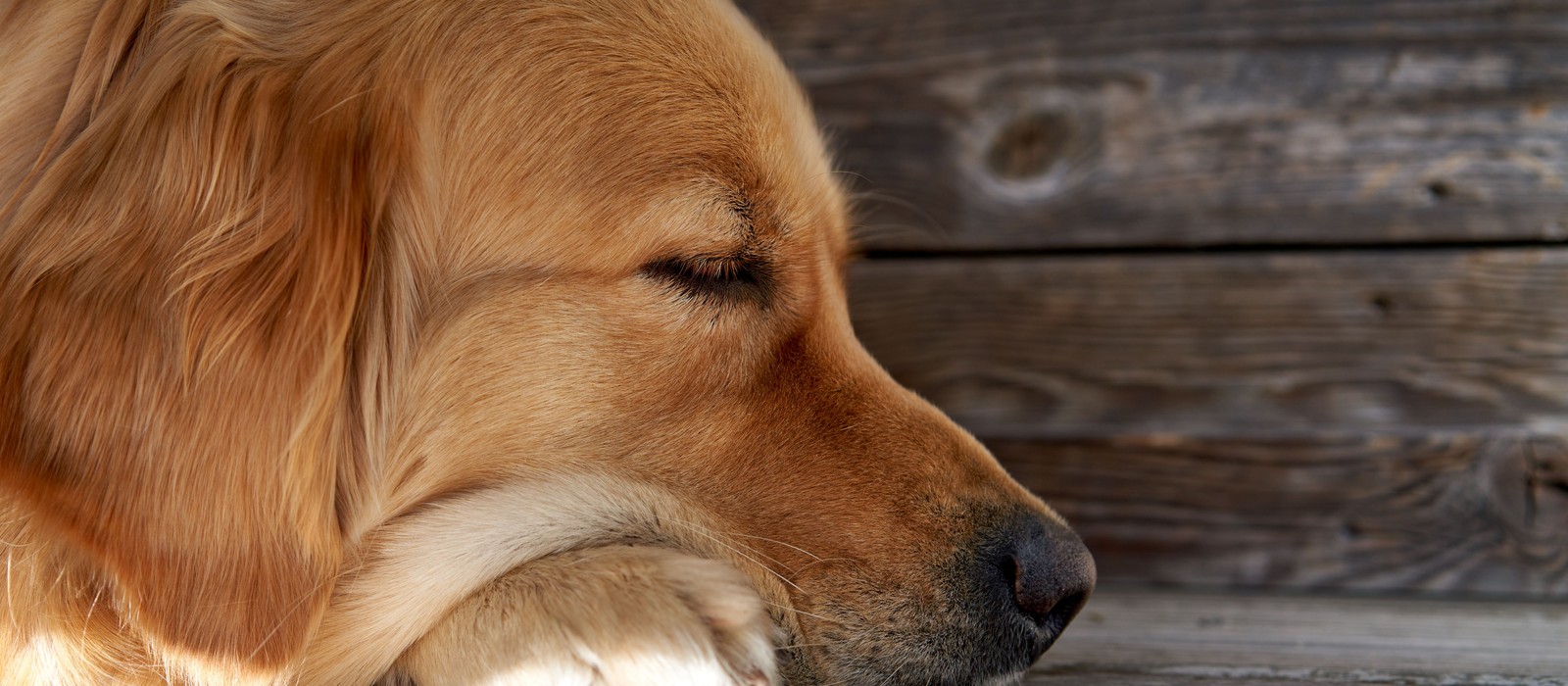
Is Pine Cleaner Safe for Dogs and Cats?
Your dog walks across that freshly-mopped floor and then licks its paws. Your cat grooms all day. That sharp pine smell you call "clean" is now on a surface your pet eats off of — so let's read what's actually in pine cleaners and decide honestly whether they belong in a home with dogs and cats.
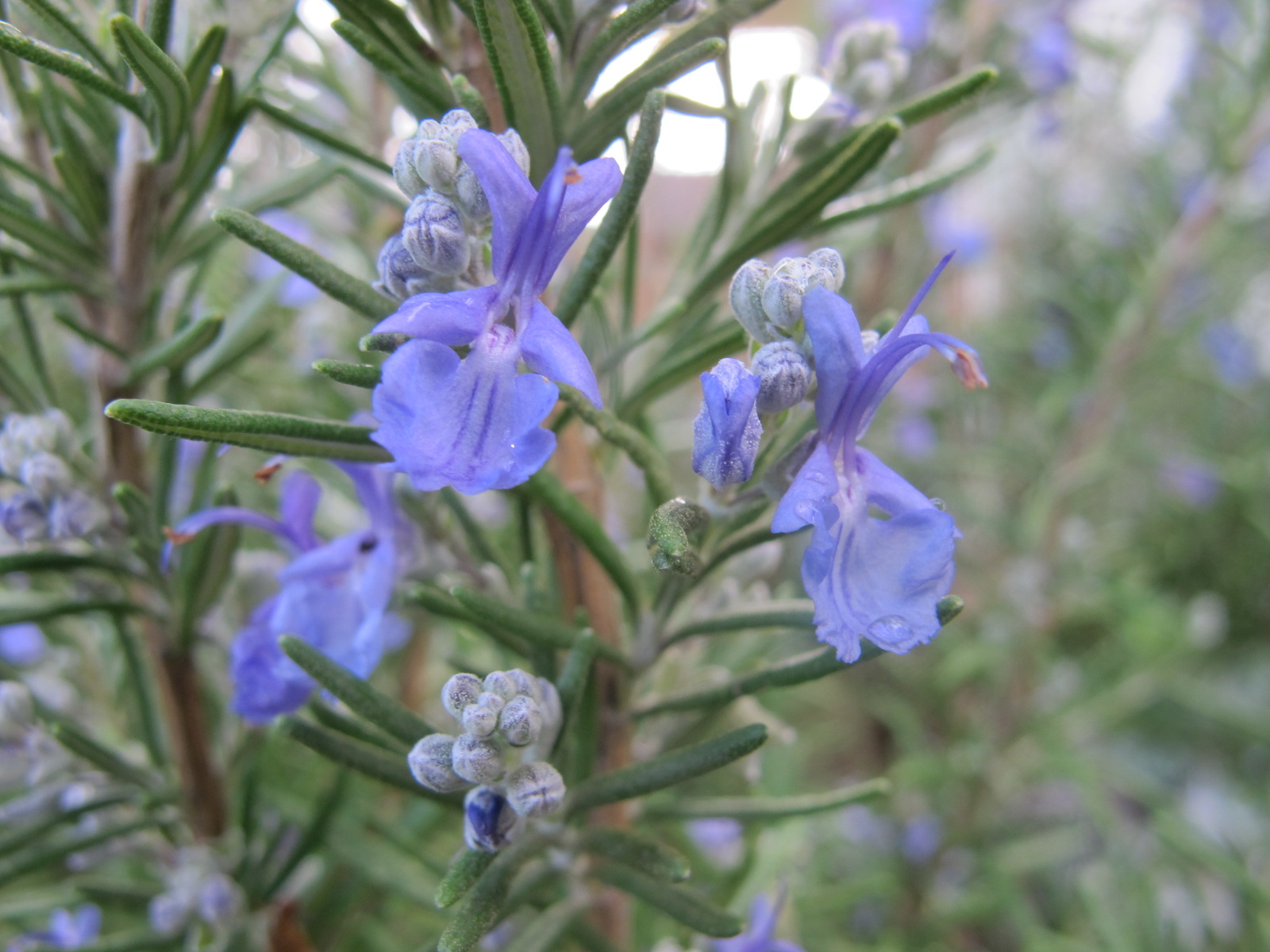
Short answer: Concentrated pine-oil and phenol cleaners are a poor fit for dogs and cats — cats clear those compounds slowly. Real danger is ingestion: a spill, undiluted bottle, or mop water. Dilute, ventilate, dry fully, store sealed. Prefer a fragrance-free, plant-based Ecolosophy All-Purpose Cleaning Concentrate — small-batch, made with care — so paw residue is something you can read.
Why pets change the whole question
When we ask "is a cleaner safe?", we usually picture a careful adult using it as directed. Pets break that picture completely. A dog's nose is thousands of times more sensitive than yours, so a scent engineered to be strong and long-lasting for human noses can be genuinely overwhelming for them — and they can't open a window or leave the room. A cat grooms constantly, ingesting whatever its paws picked up off the floor. Neither animal reads the label, waits for the surface to dry, or knows that the appealing smell coming off a mop bucket is not a drink.
So the honest truth the cleaning aisle won't volunteer is this: "smells clean" and "is safe for a creature that licks the floor" are two completely different questions. A pine cleaner can be perfectly fine for a healthy adult mopping a ventilated kitchen and still be a poor choice for the household member who walks barefoot-pawed across that same floor and then puts those paws in their mouth. That's not fearmongering — it's just biology.
One thing we'll flag up front, because honesty matters: the exact ingredients in any branded pine cleaner can change, and different products in a lineup are not identical. So instead of telling you what's "definitely" in a specific bottle, we'll walk through the ingredient classes that matter for pets — and tell you to check the current label or the manufacturer's safety data sheet for the bottle in your hand.
Pine oil, phenols, and why cats are the most vulnerable
The first thing to understand is that "pine cleaner" can mean two very different things: a fragrance blend simply engineered to smell like pine, or a cleaner that actually contains pine oil and related phenolic compounds. The second type is where the pet-specific caution really lives.
Cats have a documented quirk in how their bodies process certain chemicals. The Merck Veterinary Manual states it directly: “Cats are deficient in the enzyme glucuronyl transferase. This enzymatic deficiency makes cats very sensitive to phenol and phenolic compounds, which some oils contain.” The genetic basis is that every domestic cat carries a non-functional copy of UGT1A6, the main phenol-detoxification enzyme gene in mammals (Shrestha et al., PLOS ONE 2011). Pet Poison Helpline lists “pine oils” among the essential oils known to cause poisoning in cats, and notes cats “are also very sensitive to phenols and phenolic compounds.” None of that means one drop of a diluted cleaner harms a cat — it means the safety margin is genuinely thinner, and that concentration is the variable that matters. Merck: “the higher the concentration of essential oil, the greater the risk to the animal.”
The micro-lesson worth keeping: it's not that one drop instantly harms a cat — it's that cats lack the everyday detox machinery the rest of us take for granted, so the safety margin is simply thinner. With pets, "thinner margin" is exactly the reason a cautious owner picks the cleaner with nothing questionable in it.
Dogs aren't immune either. They're less uniquely sensitive than cats to phenols, but they're more likely to actively drink an appealing-smelling spill or bucket, and large or undiluted ingestions can cause drooling, vomiting, and gastrointestinal upset. If you have both a curious dog and a grooming cat, you're stacking two different risks on the same floor.
Fumes and the air your pet breathes all day
Ingestion gets the headlines, but fumes matter too — because your pet lives at floor level, in the same room, all day, often without the option to leave. A strongly-scented, freshly-mopped floor fills a room with airborne fragrance, and that's not nothing for a small set of lungs close to the source.
On a cleaning label, the word "fragrance" (or "parfum") stands in for a blend, and there is no federal requirement that cleaning-product makers itemize what's in it. The strongest disclosure rule in the US is California's Cleaning Product Right to Know Act (SB 258), and even that lets the fragrance blend itself stay confidential — it only forces disclosure of fragrance ingredients that appear on one of the state's designated hazard lists, or that are listed fragrance allergens, at or above 0.01%. So a "pine" scent today is often an engineered fragrance rather than pine oil, and you can read every word on the bottle and still not have the full blend. We won't tell you that blend is harming your pet — nobody can say that without knowing what's in it. That's precisely the point: it's an unknown sitting at nose level.
Practical reality: the fix for fumes is the same boring, effective trio — dilute properly, ventilate the room while you clean and until it dries, and keep pets out of the area until the surface is fully dry and the air has cleared. None of that is exotic. It's just easy to skip when life is busy, which is exactly why a no-added-fragrance cleaner removes a whole category of "did I ventilate enough?" worry.
Residue: the surface your pet eats off of
Here's the part owners underestimate. Even after a floor looks dry, a film of surfactant and scent residue can remain — and your pet contacts it constantly. A cat grooms its paws after every trip across the kitchen. A dog licks a dropped treat off the tile. Bowls sit on that same cleaned floor. Whatever stayed behind, they're getting a little of it, repeatedly, every single day.
The actual cleaning work in a degreasing pine cleaner is done by surfactants and solvents, not the scent. Many surfactants are well-tolerated, but leftover residue is mildly irritating and is exactly the kind of thing that ends up on a licked paw or a food bowl. Some degreasers also contain glycol ethers (you may see names ending in "-butoxyethanol" on a label or safety data sheet). For the neat substance, PubChem's GHS classification for 2-butoxyethanol lists H315 (causes skin irritation), H319 (causes serious eye irritation), H302 (harmful if swallowed) and H331 (toxic if inhaled). Those classifications describe the pure solvent, not a diluted consumer cleaner containing a small percentage of it — a properly diluted product is a very different exposure. Not every pine cleaner contains glycol ethers at all. So this is a "know what you're using" point rather than a panic — but it's a fair reason to follow cleaning with a plain-water wipe on pet-contact surfaces.
The low-regret habit with any cleaner, pine or otherwise: on surfaces pets eat from or lie on, wipe with the diluted product and then follow with a plain-water wipe so less residue stays behind. With a fragrance-free, plant-based cleaner, there's simply less mystery residue to worry about in the first place.
What to avoid, and the one rule that matters most
If you're keeping pets in mind, here's what to steer away from — and the single habit that prevents the worst outcomes:
- Undiluted or "concentrated pine" products left within reach. Concentrated pine oil and phenol products carry the highest pet risk. If you use one, dilute exactly as directed and never leave the concentrate accessible.
- Mop buckets left on the floor. A bucket of scented mop water is an open invitation to a curious dog. Empty it immediately; don't walk away from it.
- Cleaning pet-contact zones with strong-scented, phenol-type cleaners — food-bowl areas, litter-box surrounds, and the floor pets sleep on deserve the gentlest option you have.
- Never mix cleaners. Per CDC guidance, bleach must never be mixed with household cleaners containing ammonia, because dangerous chemicals can be released into the air — gases that harm you and your pets. See why you should never mix cleaning products for the chemistry. This is the single most important safety habit, for every cleaning cabinet, regardless of brand: one product at a time, ever.
- Letting pets back too soon. Keep them off the surface until it's fully dry and the air has cleared.
And keep a pet poison-control number handy. If a pet ingests cleaner — drinks a spill, laps mop water, or you see drooling, vomiting, wobbliness, or distress — call your veterinarian or a pet poison-control line right away rather than waiting to see what happens. For the broader picture of what makes any floor cleaner pet-safe — not just pine formulas — see our best non-toxic floor cleaner for pets guide.
So is pine cleaner safe for pets — the two-sided truth
Let's be fair, because fearmongering helps no one. Used carefully — well-diluted, the room ventilated, the surface fully dried before pets return, the bottle stored sealed and out of reach, and never mixed with other cleaners — many pet owners use scented floor cleaners without an incident, and the serious harm cases overwhelmingly involve misuse: an undiluted spill, a drunk bucket of mop water, or a swallowed mouthful. The fixes for those are dilution, ventilation, storage, supervision, and never combining products.
But "safe when used perfectly" was never the real question a pet owner is asking. The real questions are: Can I read and understand every ingredient? Is anything in here uniquely risky for the animal that grooms the floor off its own paws? Would I be okay if my cat licked this surface ten minutes after I cleaned it? On those questions, a phenol-or-pine-oil cleaner with an undisclosed fragrance blend simply can't give a cat owner a confident yes. That's not a scandal — it's just a fair reason a careful household with pets might choose differently.
Want the room-by-room version of this?
The free 7-Day Home Detox walks you through one room a day — what to toss, what to keep, what actually matters.
Pine cleaner vs. Ecolosophy concentrate, for a pet home
Here's the honest head-to-head — a typical pine-scented or pine-oil cleaner versus the Ecolosophy All-Purpose Cleaning Concentrate, judged on what actually matters when animals share the floor. For any competitor's exact current ingredients, check that product's label or safety data sheet; the column below describes the ingredient classes people commonly ask about, not a claim about a specific bottle.
| What matters in a pet home | Typical pine cleaner | Ecolosophy All-Purpose Concentrate |
|---|---|---|
| Pine oil / phenols (extra risk for cats) | Possible, especially in "concentrated pine" — check the label or SDS | None — plant-based, full ingredient list |
| Synthetic "fragrance" (undisclosed blend) | Core selling point; ingredients can hide under "fragrance" | None — no artificial scents |
| Glycol ethers / strong solvents in residue | Possible in degreasers — check the current label or SDS | Plant-based surfactants; no added fragrance |
| Designed around pet & family exposure | Formulated for scent and degreasing power | Formulated to be pet-safe and family-safe |
| Can you read & understand every ingredient? | Not fully — "fragrance" hides the blend | Plant-based, no artificial scents; every ingredient listed |
| Format | Ready-to-use bottle (mostly water, bought and shipped repeatedly) | Concentrate — just add water, makes 100+ spray bottles per bottle |
| Environmental footprint | Dozens of single-use plastic bottles over time | Saves about 42.75 lbs of CO2 per bottle (our own lifecycle estimate) |
One thing we'll always say plainly: Ecolosophy is a cleaner, not an EPA-registered disinfectant. We remove dirt, grease, and residue — we don't make germ-kill claims, and you should be wary of any plant-based brand that does. For everyday kitchen, bathroom, and floor messes in a home full of paws, a strong plant-based cleaner is exactly the right tool.
What a pet owner can actually do today
You don't need to panic-toss your cabinet or memorize veterinary toxicology. A simple, low-regret approach:
- Never mix cleaners — one product at a time, ever. This is the single most important safety habit, regardless of brand.
- If you keep a pine cleaner, use it pet-smart: dilute as directed, ventilate, keep pets out until the surface is fully dry, never leave a mop bucket out, and store the bottle sealed and out of reach. Be extra cautious with concentrated pine-oil or phenol products, especially around cats.
- Check the label or safety data sheet for the exact bottle you own if you're unsure about pine oil, phenols, fragrance, or glycol ethers — formulas vary and change over time.
- For everyday cleaning, switch to a fully understandable, fragrance-free, plant-based concentrate like the Ecolosophy All-Purpose Cleaning Concentrate. Just add water — one bottle makes 100+ spray bottles, so keeping pet zones clean never feels expensive.
- For surfaces pets eat from or lie on (food bowls, the floor by their station, litter-box surrounds), wipe with the diluted product, then follow with a plain-water wipe so nothing is left behind.
- Keep a pet poison-control number handy and call your vet immediately if a pet ingests cleaner or shows drooling, vomiting, or wobbliness.
Why we built a cleaner you can actually read
"For 23+ years, a serious chronic illness put me in and out of hospitals before I finally started paying close attention to what I was mopping onto my own floors. Our pets live down at that level all day, breathing it in with far thinner margins for error than we have. So we built the cleaner I wished existed: plant-based, fully understandable, no synthetic fragrance, small-batch, made with care."
That's the whole point of a concentrate format, too: it's mostly active cleaning agents, not water, so there's far less need for the synthetic preservatives and fragrance-masking agents that water-heavy cleaners rely on. Less water, fewer mystery ingredients, more transparency — that's what "Clean With Love" actually means in a bottle, for the two-legged and four-legged members of your home alike.
Frequently asked questions
Is pine cleaner safe to use around cats?
Cats deserve the most caution. They're relatively deficient in a liver pathway called glucuronidation, which means they clear certain pine-oil and phenol compounds more slowly than dogs or humans do — so their safety margin is thinner. Used well-diluted, with the area ventilated and fully dried before the cat returns, and the product stored sealed, many owners use scented cleaners without incident. But concentrated pine-oil and phenol products are exactly the kind a cautious cat owner might skip in favor of a fragrance-free, plant-based cleaner. Check the label or safety data sheet for the exact bottle you own.
Is pine cleaner safe for dogs?
Dogs are less uniquely sensitive than cats, but the main danger is ingestion — a dog drinking a spill, undiluted product, or fresh mop water, which the appealing scent can encourage. Large or undiluted ingestions can cause drooling, vomiting, and stomach upset. Residue on a dried, ventilated floor is a much smaller concern. Don't leave mop buckets accessible, store the bottle out of reach, and call your vet or a pet poison-control line if your dog ingests cleaner.
Why are cats more sensitive to pine and phenol cleaners than people?
The Merck Veterinary Manual states that cats are deficient in the enzyme glucuronyl transferase, which "makes cats very sensitive to phenol and phenolic compounds." Pet Poison Helpline lists pine oils among the oils known to poison cats. So pine oil and phenols are among the substances cats process slowly, so they can accumulate where a dog or person would clear them. That same quirk is why cats are unusually sensitive to certain medications too. It doesn't mean one drop is harmful — it means the safety margin is simply narrower, which is reason enough for a careful owner to choose a cleaner with nothing questionable in it.
Are pine cleaner fumes harmful to pets?
Strongly-scented, freshly-mopped floors fill a room with airborne fragrance, and pets live at floor level all day, often without the option to leave. We're not aware of a study measuring harm to pets from diluted floor-cleaner fumes specifically, so we won't claim one — but the Merck Veterinary Manual does list the lungs as an absorption route for essential oils, and the sensible response to an unknown at nose level is ventilation. The fix is straightforward: dilute properly, ventilate while you clean and until the surface dries, and keep pets out of the area until the air has cleared. A no-added-fragrance cleaner removes much of this worry.
Can mixing pine cleaner with bleach harm my pets?
Yes — never mix cleaning products. CDC is explicit that bleach must not be mixed with cleaners containing ammonia because dangerous chemicals can be released into the air. This is a rule for every cleaning cabinet, not just one brand: use one product at a time, with good ventilation, and never combine them.
Is a fragrance-free, plant-based cleaner just as effective in a pet home?
Yes. Scent is added for marketing, not cleaning power — the actual work is done by surfactants, not the perfume. The Ecolosophy All-Purpose Cleaning Concentrate cuts everyday dirt, grease, and grime without any added fragrance, and one bottle makes 100+ spray bottles so you can keep pet zones clean often. Just remember it's a cleaner, not an EPA-registered disinfectant.
📕 Free download · 28 pages
Not ready to switch yet? Get the free playbook.
28 pages, every non-toxic swap, room by room. One email, no spam.
We'll email it from hello@ecolosophy.com. Reply anytime — a real person answers.
Sent. Check your inbox.
The download link is heading to your email. If you don't see it in 2 minutes, look in Promotions or hit resend.
Or grab it right now: Download the 28-page PDF →
Couldn't deliver — try again? Retry
← Back to the full Non-Toxic Cleaning Guide
Keep Reading
Pure Serenity Kit
$69 · 4.97★ · 72 reviews