

How to Make Your Home Smell Good Naturally
A house can smell genuinely fresh without a single plug-in, aerosol, or synthetic "fresh linen" spray. The trick most fragrance brands won't tell you: it's not about adding scent — it's about removing what stinks, moving air, and letting real plants do the rest.
Short answer: Fix the source first — trash, drains, soft fabrics, fridge — then open windows and add real plant scent like a citrus simmer pot. Skip masking sprays. Clean with a plant-based, fragrance-free Ecolosophy concentrate so surfaces smell clean because they are — small-batch, made with care.
Why "smells fresh" and "is fresh" aren't the same thing
Walk down the air-care aisle and the promise is everywhere: spray this, plug in that, and your home will smell like a meadow, a beach, or "clean linen." Here's the honest truth nobody on that aisle says out loud — most of those products don't remove a single bad smell. They sit a louder, engineered scent on top of the one you didn't like. Your nose stops registering the original odor for a while because it's overwhelmed, not because anything actually changed.
That matters for two reasons. First, the underlying problem — the trash, the damp towel, the drain — is still there, still growing, still the thing your guests' noses find within thirty seconds. Second, the "freshness" you sprayed is usually synthetic fragrance, and on a label that single word can legally stand in for a blend of dozens of undisclosed chemicals. There is no federal US law requiring makers to itemise what is inside “fragrance.” There is a state one that reaches most national brands: under California’s Cleaning Product Right to Know Act (SB 258), since 1 January 2020 makers of general cleaning and air care products sold in California must publish every intentionally added ingredient online — including each fragrance ingredient at 0.01% or more, with CAS numbers — and since 1 January 2021 must list fragrance allergens above 0.01% on the label. So the blend is far less hidden than it was; you usually just have to look at the manufacturer’s ingredient page rather than the bottle. So the ingredient list is findable — it is just not on the can, and most people never go looking. That is the real gap worth closing.
A naturally good-smelling home works the opposite way. You subtract the sources of bad smell, you move clean air through, and you let real plant materials add a light, honest scent — or no added scent at all. It's cheaper, it's something you can fully understand, and it actually solves the problem instead of hiding it. It's the same masking-versus-removing trap we cover in our look at Febreze and fabric sprays. Let's build it step by step.
Step 1: Remove the odor source — don't mask it
This is the step that does eighty percent of the work, and it's the one air-freshener marketing trains you to skip. Before you add anything that smells nice, hunt down what smells bad. Most household odor comes from a short, predictable list of culprits, and each has a five-minute fix.
- Trash and recycling: the bin itself holds odor even after you change the bag. Empty it often, and every so often wash the can with a plant-based cleaner and let it dry fully before the next liner goes in.
- The kitchen sink and drain: a stale, sour smell near the sink is usually trapped food in the drain or a grimy disposal. Flush with hot water, and grind a little ice with citrus peels in the disposal to scour and freshen it.
- The dishwasher and washing machine: both develop a musty smell from trapped moisture and residue. Run them empty on a hot cycle now and then, and leave the door cracked between uses so they dry out.
- Damp fabric: towels, bath mats, dish rags, gym clothes, and pet bedding hold mildew fast. Wash them more often than feels necessary and make sure they dry completely — a towel that "smells off" is the most common hidden source in a home.
- The refrigerator: wipe the shelves, toss what's past its prime, and keep an open box of baking soda inside to absorb odor.
- Pet zones: litter boxes, food mats, and the spot where the dog sleeps. Clean these on a schedule, not when they've already gotten noticeable.
- Soft surfaces that trap smell: carpets, rugs, upholstery, and curtains hold cooking and pet odors. Sprinkle baking soda on carpets and rugs, let it sit fifteen minutes, then vacuum it up.
The micro-lesson here is simple and freeing: if a room smells bad, something in it is making the smell, and finding it is faster than covering it. Once the source is gone, you barely need to add anything at all.
Step 2: Ventilate — fresh air is the best air freshener
Indoor air gets stale because it sits still and slowly fills with cooking vapors, moisture, dust, and whatever off-gasses from furniture and finishes. The single most powerful, completely free way to make a home smell fresh is to move that air out and bring outside air in.
- Open windows daily, even for ten minutes in cool weather. A cross-breeze — windows open on two sides of the home — flushes a room faster than any spray.
- Use the fans you already have. Run the kitchen range hood while and after cooking, and the bathroom exhaust fan during and for a while after showers, to pull out the cooking smells and humidity that breed musty odors.
- Control moisture. Damp air smells musty and feeds mildew. In humid rooms or climates, a dehumidifier makes the whole home smell noticeably fresher.
- Don't trap air in closed-off rooms. A guest room or closet nobody opens goes stale; air it out periodically too.
If you take only one habit from this whole page, make it this: open a window every day. It costs nothing, hides nothing, and resets the entire baseline of how your home smells.
Want the room-by-room version of this?
The free 7-Day Home Detox walks you through one room a day — what to toss, what to keep, what actually matters.
Step 3: Clean with a fragrance-free, plant-based cleaner
Here's the step almost everyone gets backwards. People mop, wipe, and spray with a heavily scented cleaner, then add a plug-in on top — and end up with a home that smells like layered synthetic perfume rather than clean. The fix is to clean with something that leaves surfaces genuinely clean and then smells like nothing.
Scent in a cleaner is added for marketing, not for cleaning power. The actual work — lifting grease, food residue, grime, and the bacteria that cause odor — is done by surfactants, not by the perfume. When you clean with a fragrance-free, plant-based cleaner, you remove the residue that was creating the smell instead of coating it with a new one. The result is a home that smells clean because it is clean, with no mystery fragrance left behind on the counters your family eats off and the floors your kids and pets crawl across.
That's exactly why we built the Ecolosophy All-Purpose Cleaning Concentrate with no artificial scents — plant-based and fragrance-free — plant-based, family-safe, and pet-safe. It's a concentrate, so you just add water: one small bottle makes 100+ spray bottles, which means you can wipe down the high-odor zones — trash area, fridge, pet station, kitchen counters — as often as you like without ever flinching at the cost. One honest note we always make: Ecolosophy is a cleaner, not an EPA-registered disinfectant. It removes dirt, grease, and odor-causing residue; it doesn't make germ-kill claims.
Step 4: Add real plant scent — simmer pots, herbs, and diffusers
Once the sources are gone, the air is moving, and your surfaces are truly clean, now a little added scent is a pleasure rather than a cover-up. And you can do it with real plant materials you can name, not a fragrance blend you can't read.
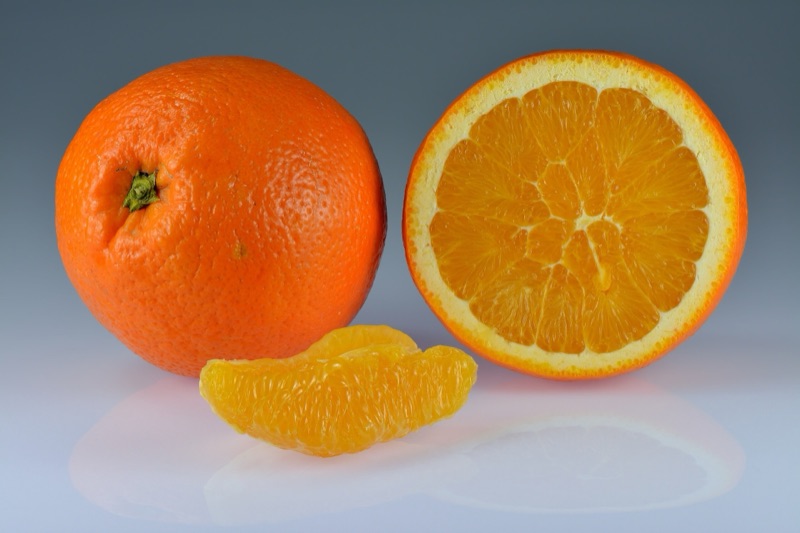
- The stovetop simmer pot. This is the classic for a reason. Fill a small pot with water and toss in real ingredients — orange or lemon slices, a cinnamon stick, a few cloves, a sprig of rosemary, or some fresh ginger. Bring it to a gentle simmer, then keep it low, topping up the water so it never runs dry, and never leave it unattended. Within minutes the whole home smells warm and inviting, from food, not from a factory.
- Essential oils in a diffuser. A few drops of a real essential oil — citrus, lavender, eucalyptus, peppermint — in a water diffuser gives a clean, light scent you can control and stop any time. Keep it subtle, and note that some essential oils, like tea tree and certain citrus and pine oils, can be unsafe for cats and dogs — see which essential oils are actually toxic to cats before diffusing around pets.
- Live houseplants. Greenery makes a room feel and smell fresher, and herbs like mint, rosemary, and basil on a sunny windowsill add a faint, pleasant, genuinely natural scent — plus something to cook with.
- Cut herbs and citrus. A small bowl of fresh lemon halves or a bundle of mint or eucalyptus on the counter is a no-effort, no-electricity scent.
- Baking soda, the quiet workhorse. Open containers in the fridge, near litter boxes, or in a musty closet absorb odor rather than masking it — the cleanest "freshener" there is.
The point of every option here is the same: you can pronounce and picture each ingredient. An orange is an orange. That's a very different thing from "fragrance."
Natural methods vs. synthetic air fresheners
Here's the honest head-to-head. For any specific air-care product's exact ingredients, check that product's label; the column below describes the categories people commonly ask about, not a claim about a particular brand.
| What matters at home | Synthetic air fresheners & plug-ins | Natural methods (the approach above) |
|---|---|---|
| Does it remove the bad smell? | No — masks it with a stronger scent | Yes — you remove the source first |
| Can you read every ingredient? | Often not — "fragrance" hides the blend | Yes — citrus, herbs, baking soda, fresh air |
| Ongoing cost | Repeated purchases of sprays & refills | Mostly free; pantry items and open windows |
| Airway-sensitive family & pets | Strong fragrance can trigger irritation | Light, controllable, or no added scent |
| What it leaves on surfaces | Can settle synthetic residue | Plant-based cleaning leaves surfaces clean |
| Environmental footprint | Single-use aerosols, plastic refills | Reusable tools; a concentrate saves ~42.75 lbs CO2 per bottle |
Note on the cleaning step: that 42.75 lbs of CO2 figure is our own lifecycle estimate for the Ecolosophy concentrate versus buying dozens of single-use plastic cleaners over time — one small bottle makes 100+ spray bottles, so far less plastic and shipping for the same amount of clean.
A simple weekly rhythm for a naturally fresh home
You don't need a complicated system — just a light routine that keeps odor from ever building up:
- Daily: open a window for fresh air, run the range hood while cooking, take out the kitchen trash, and wipe high-odor surfaces (counters, sink, fridge handles) with your fragrance-free cleaner.
- A few times a week: wash towels, dish rags, and pet bedding, and make sure they dry completely; flush and freshen the kitchen drain.
- Weekly: deeper clean of the fridge, trash can, and pet zones; baking soda on carpets before vacuuming; run the dishwasher and washer empty on hot if needed.
- Whenever you want a lift: a citrus-and-herb simmer pot or a couple of drops of essential oil in a diffuser — added scent as a treat, not a cover-up.
Do this and you reach a point most people never experience: a home that simply smells like nothing-bad and a little fresh, all day, with no spray in sight.
Why we care about what your home smells like
"After 23+ years living with a chronic illness that hospitalized me again and again, I started paying close attention to every scent, spray, and fume in my own house — because my body was reacting to things I couldn't yet name. A house full of synthetic 'fresh' scent isn't clean air — it's masked air. So we built the cleaner I wished existed: plant-based, fully understandable, no synthetic fragrance, made in small batches with care. Open a window, clean with something honest, simmer some real oranges. That's what clean is supposed to smell like."
That's the whole idea behind "Clean With Love." A genuinely fresh home isn't something you buy in an aerosol can — it's a few honest habits and a cleaner you can actually read. Less mystery, more real plants, better air for the people and animals who breathe it all day.
Frequently asked questions
What's the fastest way to make my house smell good naturally?
Open windows for a cross-breeze, take out the trash, and put a small pot of water with orange slices, a cinnamon stick, and a sprig of rosemary on a low simmer (never leave it unattended). Air movement plus a real citrus-and-herb simmer pot freshens a home within minutes — without any synthetic spray.
Are plug-in air fresheners and aerosol sprays bad for you?
They're not necessarily "poison," but most don't remove odor — they mask it — and they release synthetic "fragrance," which on a label can legally stand in for a blend of undisclosed chemicals. Strong fragrance can irritate sensitive airways, including those of infants and pets. Removing the odor source and ventilating is a cleaner, fully understandable approach.
Do essential oils make a home smell good safely?
A few drops of a real essential oil in a water diffuser give a light, controllable, natural scent. Keep it subtle, and note that some oils — including tea tree and certain citrus and pine oils — can be unsafe for cats and dogs. Check before diffusing around pets, and when in doubt, rely on ventilation and a citrus simmer pot instead.
Why does my house still smell even after I clean and spray?
Because the source is still there. Spraying adds scent on top of trapped odor in drains, trash cans, damp towels, the fridge, or pet bedding. Find and clean the source — most household smells come from that short list — and the odor disappears instead of returning when the spray fades.
Does a fragrance-free cleaner really help a home smell better?
Yes. Odor-causing residue and grime are removed by surfactants, not by perfume. A fragrance-free, plant-based cleaner like the Ecolosophy All-Purpose Cleaning Concentrate lifts that residue so surfaces smell clean because they are clean — with no synthetic scent layered on top. It's a cleaner, not an EPA-registered disinfectant.
How does a concentrate help with keeping odors down?
You add water to a small bottle of active ingredients, so one Ecolosophy bottle makes 100+ spray bottles. That means you can wipe down the high-odor zones — trash area, fridge, sink, pet station — as often as you like without worrying about cost, and it saves roughly 42.75 lbs of CO2 per bottle versus buying dozens of single-use plastic cleaners.
📕 Free download · 28 pages
Not ready to switch yet? Get the free playbook.
28 pages, every non-toxic swap, room by room. One email, no spam.
We'll email it from hello@ecolosophy.com. Reply anytime — a real person answers.
Sent. Check your inbox.
The download link is heading to your email. If you don't see it in 2 minutes, look in Promotions or hit resend.
Or grab it right now: Download the 28-page PDF →
Couldn't deliver — try again? Retry
Sources
Every health, safety or regulatory statement on this page traces to one of the following. Where a source does not support a stronger claim, we have not made one.
← Back to the full Non-Toxic Cleaning Guide
Keep Reading
Pure Serenity Kit
$69 · 4.97★ · 72 reviews