
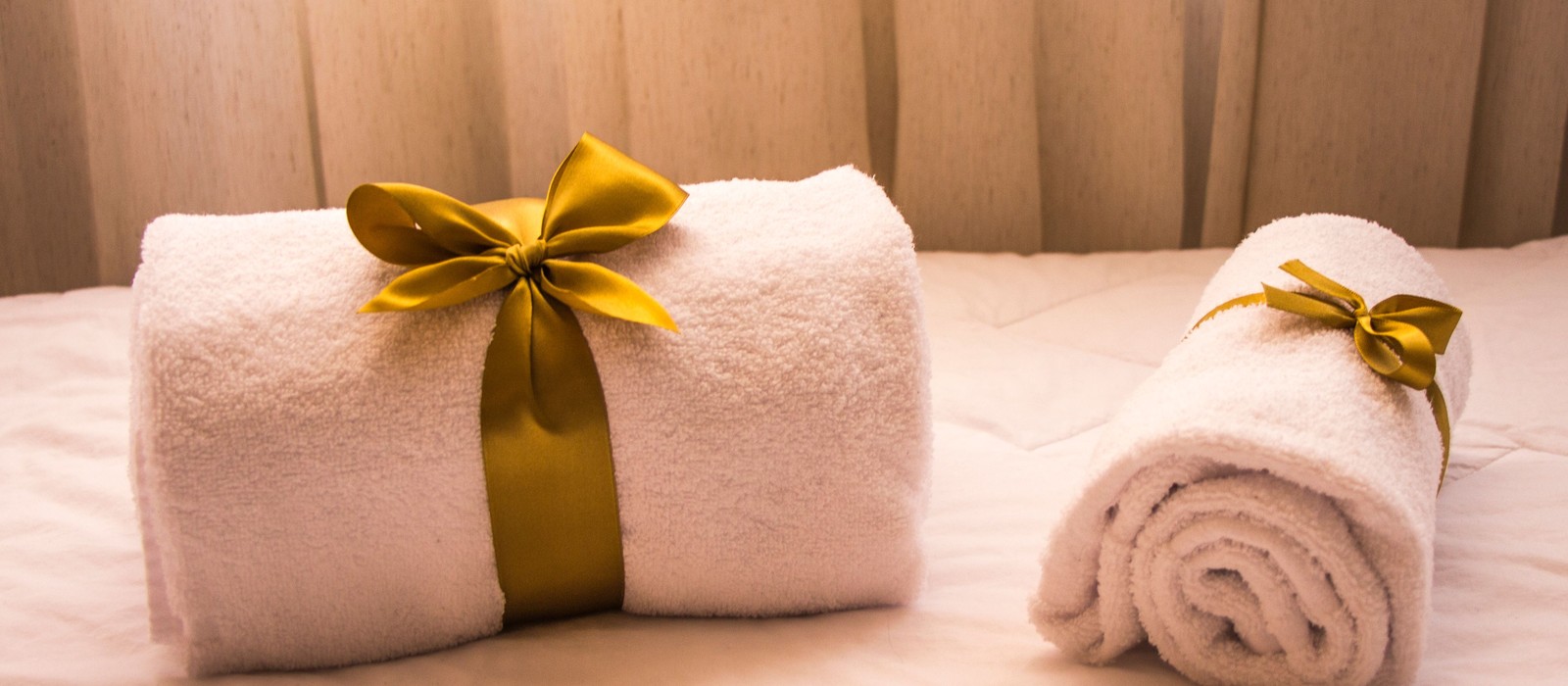
What Is in Fabric Softener?
That "fresh laundry" smell you fold into your kid's pajamas and dry against your skin all night — let's actually read what's making it soft and scented, and decide honestly whether it belongs on the clothes closest to your family.
Short answer: Conventional fabric softeners leave a film — often quats, undisclosed fragrance, and dyes — so clothes feel soft and smell fresh. That coating sits against skin. You can skip softener and use wool dryer balls or vinegar for static. Clean the rest of home with fragrance-free Ecolosophy concentrate — small-batch, made with care.
What is fabric softener actually doing to your laundry?
Fabric softener has a job that sounds harmless: make clothes feel soft, cut static, and add that signature "fresh from the line" scent. But understanding how it does that changes how you feel about it. Softener doesn't change the fabric itself — it works by depositing a thin lubricating layer onto every fiber as your clothes tumble. That coating is what your fingers read as "soft," and it's the same coating that carries the fragrance which keeps releasing for days.
Here's the honest truth the laundry aisle won't volunteer: "feels soft and smells fresh" and "is something I want pressed against skin for hours" are two different questions. Your baby sleeps in those sheets. Your toddler chews the corner of that blanket. A workout shirt sits against sweaty, open pores. Whatever is in that coating, your family is in prolonged, intimate contact with it — far more contact than with a kitchen cleaner you wipe on and rinse off. So the real question isn't "is fabric softener poison?" — at normal use it almost never is — it's "is this film I can't fully read something I'd choose to wear and sleep in if I knew exactly what it was?"
One thing we'll flag up front, because honesty matters: the exact ingredient list of any branded softener can change, and different scents and "free & clear" versions in a lineup are not identical. So rather than tell you what's "definitely" in a specific bottle, we'll walk through the ingredient classes that show up again and again — and tell you to check the current label or the manufacturer's safety data sheet for the bottle in your hand.
Quats: the softening agents that coat your fibers
The actual softening in most conventional products is done by quaternary ammonium compounds — "quats" for short. You may see them on labels under names like distearyldimonium chloride, dialkyl dimethyl ammonium chloride, or simply hidden inside a vague "biodegradable fabric softening agents" line. They're surfactant-like molecules that bind to fabric and stand the fibers up, which is what creates that plush, static-free feel.
Quats are effective, and that's exactly why they're used. But a few things are worth understanding before that coating is on a towel your face presses into every morning:
- The one hard, sourced hazard is ingestion — and it is about pets. The ASPCA states that "most fabric softeners also contain cationic detergents which can cause severe chemical burns and ulcers to the pet's mouth, esophagus and stomach." That is about a pet getting into the bottle or a sheet, not about a pet lying on softened laundry. Keep the bottle sealed and out of reach.
- The sensitisation evidence is occupational, and we'll say so. The quat class does include documented respiratory sensitizers — a 2021 multicentre cohort study found 22 cases of QAC-induced occupational asthma among 871 confirmed occupational-asthma patients, mostly healthcare workers handling disinfectant solutions. Those are different molecules used at far higher concentrations than the ester-quats in fabric softener. We are not going to stretch that study to cover your towels, and you should be sceptical of anyone who does.
- They stay put on purpose: the whole value proposition is that the coating persists through wearing and several washes. We found no study showing that coating causes skin disease. If someone in your home reacts on softener weeks and not on others, that is worth acting on as a personal observation — not as a documented hazard.
- Towels are the trade-off you can feel: over time that quat film actually reduces how well towels absorb water and how well athletic fabrics wick sweat — because you've coated the very fibers that are supposed to pull moisture in. People are often surprised that "softer" towels dry them less well.
The micro-lesson: the softness you're paying for is a chemical film that's engineered to stay on the fabric and against your skin. That's not automatically dangerous — but it's a very different thing from "softness" you might have imagined. It's the same coat-and-linger idea behind dryer sheets, softener's dry-cycle cousin.
Want the room-by-room version of this?
The free 7-Day Home Detox walks you through one room a day — what to toss, what to keep, what actually matters.
Synthetic "fragrance": the biggest unknown on the bottle
This is a transparency issue, and we are going to keep it strictly to that. The FDA explains that fragrance ingredients "can be listed simply as 'Fragrance' or 'Flavor'" because such formulas "are complex mixtures of many different natural and synthetic chemical ingredients" that "are the kinds of cosmetic components that are most likely to be 'trade secrets'." So one word on a bottle can represent a long list you cannot look up.
Here is where we part ways with most articles on this topic. The usual next move is to tell you that fragrance triggers asthma and that phthalates hide inside the blend. We went looking for primary sources tying either of those to fabric softener and did not find them. So we are not printing them. An unsourced scare is worth nothing to you, and it would undermine every sourced thing on this page.
What is true and useful: the exposure route is unusually prolonged — a pillowcase is against skin for eight hours, unlike a counter spray. If anyone in your home reacts to scented laundry, going fragrance-free removes the variable, costs nothing, and requires no theory about why.
Dyes, preservatives, and the rest of the film
Beyond quats and fragrance, conventional softeners usually contain dyes (to give the liquid that blue, pink, or green color you associate with a "scent"), preservatives to keep a water-heavy liquid stable on the shelf, and sometimes additional surfactants or solvents.
None of these add to how clean or soft your laundry is — the dye in particular is cosmetic and does nothing for the fabric. We won't claim dyes cause skin reactions, because we did not source that. What we can point out without any evidence gap is the market's own signal: manufacturers sell "free & clear" versions with fragrance and dye removed, which tells you which two ingredients they expect sensitive customers to want gone.
The honest move, as with any product, is to check the specific bottle's current label or safety data sheet rather than assume. But the pattern across the category is consistent: softness and scent are delivered by a persistent coating, color is cosmetic, and the parts most likely to bother sensitive or infant skin are the very parts ("free & clear" lines) that some versions strip out.
So is fabric softener actually harmful — the two-sided truth
Straight answer: we found no evidence that fabric softener used as directed is harmful to people. The one clearly documented hazard is ingestion by pets — the ASPCA warns that the cationic detergents in most fabric softeners "can cause severe chemical burns and ulcers to the pet's mouth, esophagus and stomach." Keep the bottle sealed and out of reach and that risk is managed.
The remaining objections are real but they are not safety objections, and we would rather say so than imply otherwise. They are: you cannot read the fragrance line; the dye is purely cosmetic; and the coating measurably reduces towel absorbency and activewear wicking, which is the one downside you can actually feel. If those bother you, skip softener — wool dryer balls and vinegar do the job. If they don't, we are not going to tell you that you are endangering your family, because the evidence doesn't say that.
Fabric softener vs. the simple, fragrance-free alternative
Here's the honest head-to-head — a typical conventional fabric softener versus the no-softener approach a transparency-minded home can use today. For any specific product's exact current ingredients, check that product's label or safety data sheet; the column below describes the ingredient classes people commonly ask about, not a claim about a particular bottle.
| What matters for your family | Typical fabric softener | The simple, fragrance-free swap |
|---|---|---|
| How "softness" is delivered | A persistent quat film coating every fiber, left on by design | Wool dryer balls separate fibers mechanically — no coating left behind |
| Synthetic "fragrance" (undisclosed blend) | Core selling point; ingredients can hide under "fragrance" and keep releasing for days | None — skip scent, or add a drop of essential oil to a wool ball if you want a hint |
| Dyes and cosmetic color | Common, purely cosmetic, a frequent skin-reaction source | None — nothing added for looks |
| Static control | Quats reduce static via coating | Wool dryer balls cut static; a splash of white vinegar in the rinse helps too |
| Towel absorbency & activewear wicking | Reduced over time by the quat coating | Preserved — fibers stay uncoated and absorbent |
| Can you read & understand every ingredient? | Not fully — "fragrance" hides the blend | Yes — wool, vinegar, water: nothing hidden |
| Cost & waste over time | Repeated single-use plastic jugs, mostly water | Reusable wool balls last for years; vinegar is cheap and plastic-light |
One thing we'll always say plainly: Ecolosophy doesn't sell a fabric softener, and we won't invent a reason you need one. Our place in your laundry day is honesty about what softener actually is — and our place in the rest of your home is the All-Purpose Cleaning Concentrate: plant-based, no artificial scents, family-safe and pet-safe, for the counters, floors, and surfaces your freshly-washed family touches next.
What a careful family can actually do today
You don't need to panic-toss your laundry room or memorize a chemistry textbook. A simple, low-regret approach:
- Try wool dryer balls instead of softener. Three to six in the dryer separate and fluff fibers mechanically, cut static, and shorten drying time — no coating, no fragrance, reusable for years. Want a faint scent? Put a single drop of pure essential oil on a ball, not a chemical blend on every garment — but check which essential oils are actually safe around cats first if you have one in the house.
- Add a splash of white vinegar to the rinse. A half-cup in the rinse cycle softens water, helps release detergent residue, and reduces static — and it rinses away completely, leaving no film and no smell once dry.
- If you keep using softener, choose "free & clear" and use less. Removing fragrance and dye removes the two most common irritants, and most people use far more than they need.
- Check the label or safety data sheet for the exact bottle you own if you're concerned about quats, fragrance, or dyes — formulas vary and change over time.
- Match it with a fully understandable cleaner for the rest of the house — a fragrance-free, plant-based concentrate like the Ecolosophy All-Purpose Cleaning Concentrate. Just add water — one bottle makes 100+ spray bottles, so keeping high-touch zones clean never feels expensive.
Why we'd rather tell you to use less than sell you more
"After 23+ years of chronic illness and more hospital stays than I can count, I got in the habit of reading every label myself rather than trusting the front of the bottle. Laundry was one of the first things I rethought, simply because it is the fabric touching you for eight straight hours while you sleep. We don't sell a softener, and I won't pretend you need one. We built the cleaner I wished existed — plant-based, fully understandable, no synthetic fragrance, made in small batches with care — and we'll always tell you when the honest answer is 'use less, not more.'"
That's the whole philosophy behind a concentrate format, too: it's mostly active cleaning agents, not water, so there's far less need for the synthetic preservatives and fragrance-masking agents that water-heavy products rely on. Less water, fewer mystery ingredients, more transparency — that's what "Clean With Love" actually means, from your laundry room to your countertops.
Frequently asked questions
What are the main ingredients in fabric softener?
Most conventional softeners are built around quaternary ammonium compounds ("quats"), the agents that coat fibers to make them feel soft and cut static. Alongside them you'll typically find synthetic "fragrance" (an undisclosed blend), dyes for color, preservatives, and water. Exact formulas vary and change over time, so check the current label or safety data sheet for the bottle you own.
Are quats in fabric softener bad for your skin?
We could not source a claim that quat residue on laundry harms skin, so we won't make one. What is documented sits elsewhere: the quat class includes respiratory sensitizers, but the evidence comes from occupational exposure to disinfectant quats among healthcare workers, not from fabric softener; and the ASPCA warns that the cationic detergents in softeners can cause "severe chemical burns and ulcers" if a pet ingests them. If your skin reacts on softener weeks, trust that observation and stop — you don't need a study to justify it.
Why does fabric softener make towels less absorbent?
The quat coating that makes towels feel plush is the same film that blocks the fibers from pulling in water. Over time that means softer-feeling towels that actually dry you less well, and activewear that wicks sweat less effectively. Skipping softener keeps the fibers uncoated and absorbent.
What can I use instead of fabric softener?
Wool dryer balls separate and fluff fibers mechanically, cut static, and shorten drying time without leaving any coating, and they're reusable for years. A half-cup of white vinegar in the rinse cycle also softens, reduces static, and rinses away completely with no smell. Both skip the quats, fragrance, and dyes entirely.
Is "free and clear" fabric softener safe?
"Free & clear" versions remove fragrance and dye — the two ingredients manufacturers themselves evidently expect sensitive customers to want gone. They usually still rely on quats to soften, so they still leave a coating on the fabric. If you want no film at all, wool dryer balls or vinegar are the simpler route.
Does Ecolosophy make a fabric softener?
No — and we won't pretend you need one. Our flagship is the All-Purpose Cleaning Concentrate: plant-based, no artificial scents, family-safe and pet-safe, just add water so one bottle makes 100+ spray bottles. For laundry softness, our honest advice is wool dryer balls and a splash of vinegar, not another mystery bottle.
📕 Free download · 28 pages
Not ready to switch yet? Get the free playbook.
28 pages, every non-toxic swap, room by room. One email, no spam.
We'll email it from hello@ecolosophy.com. Reply anytime — a real person answers.
Sent. Check your inbox.
The download link is heading to your email. If you don't see it in 2 minutes, look in Promotions or hit resend.
Or grab it right now: Download the 28-page PDF →
Couldn't deliver — try again? Retry
← Back to the full Non-Toxic Cleaning Guide
Keep Reading
Pure Serenity Kit
$69 · 4.97★ · 72 reviews