
Is Castile Soap a Good Cleaner? An Honest Look at What It Does and Doesn't Do
Castile soap is the darling of the natural-cleaning world, and for good reason. But it isn't a do-everything answer, and the places it quietly fails surprise most people. Here's the straight version.
Short answer: Yes for many gentle jobs — and better than a cabinet of harsh sprays. Limits are real: hard water and acids curdle it, glass and stone film, dilution has to be precise, and heavy grease needs a balanced formula. Prefer a plant-based, fragrance-free Ecolosophy concentrate that cleans predictably — small-batch, made with care.
What castile soap actually is
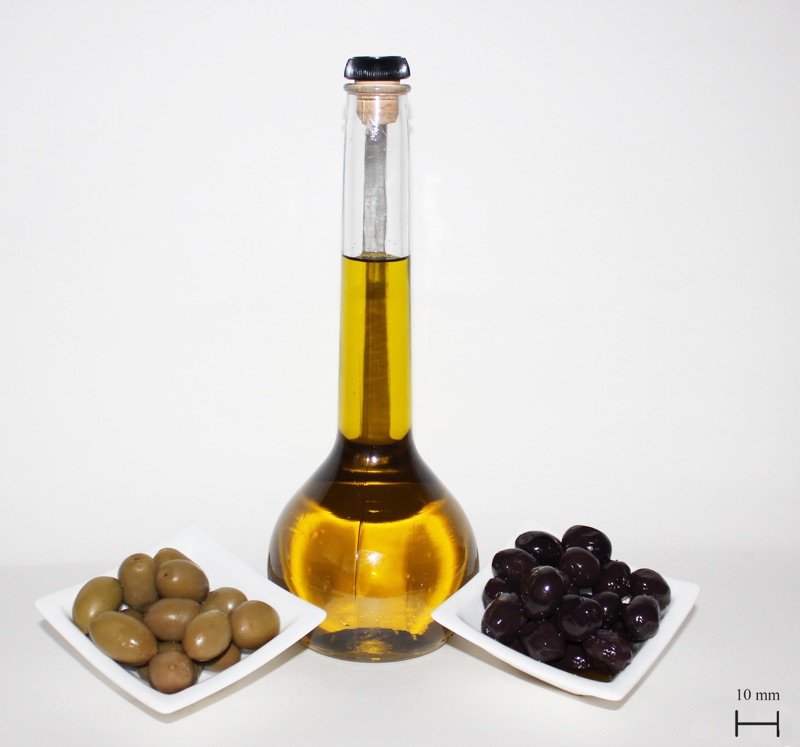
Castile soap is a true soap made by saponifying plant oils, traditionally olive oil, with an alkali. Modern versions blend in coconut, hemp, jojoba, or other plant oils. That's it. No synthetic detergents, no petroleum surfactants, no artificial fragrance unless someone adds essential oils. It's one of the oldest cleaning agents humans have, and the fact that it's still on shelves tells you it works.
Because it's a real soap and not a synthetic detergent, castile behaves the way soap has always behaved. That's the part most people miss. Soap is wonderful, but soap chemistry has quirks that the marketing rarely mentions, and those quirks are exactly where a lot of home cleaning goes sideways.
Where castile soap genuinely shines
Used in the right places, castile soap is hard to beat for a family that wants fewer chemicals at home. It excels at:
- Hand and body washing. Diluted, it's gentle on skin and rinses cleanly. This is its home turf.
- Light surface wiping. A few drops in water handles everyday counters, tables, and sealed cabinets when you wipe and rinse.
- Pre-treating laundry and washing delicates. A small amount lifts ordinary dirt from fabric.
- Mopping sealed floors, as long as you keep the dilution light and don't let film build up.
- Being safe to keep around. A simple, plant-based ingredient list is a real advantage in a home with kids and pets crawling and licking everything in sight.
If your standard is "anything is better than the synthetic stuff I grew up with," castile soap clears that bar easily. The trouble starts when you ask it to be your one and only cleaner.
Where castile soap quietly fails
These aren't rare edge cases. They're the everyday reasons people get frustrated and assume natural cleaning "doesn't work." It does. The product just isn't matched to the job.
1. Hard water turns soap into scum
This is the big one. Soap reacts with the calcium and magnesium dissolved in hard water and forms an insoluble curd, the same gray scum that rings a bathtub. Most homes have moderately hard water. So the very thing that's supposed to clean your surface can deposit a dull, sticky residue on it instead. You wipe, it looks streaky, you wipe again, it gets worse. The water is fighting the soap.
2. It reacts with acids and curdles
A popular kitchen myth says to mix castile soap with vinegar for a powerhouse cleaner. Don't. Vinegar is an acid, castile is a base, and combining them breaks the soap apart into a white, oily mess that cleans nothing. The same goes for lemon juice or any acidic add-in. They cancel each other out.
3. It films on glass and stone
Soap leaves a thin film as it dries. On mirrors, windows, and glass shower doors that film reads as haze and streaks — see our full streak-free window cleaning method for how to avoid that entirely. On polished stone and certain finishes the residue dulls the shine over time, the same problem we cover in our guide to cleaning granite and stone safely. Castile is one of the worst choices for a streak-free glass clean.
4. Dilution is fussy and easy to get wrong
Too little soap and it won't clean. Too much and it leaves a sticky, attract-more-dirt residue that makes surfaces feel grimy faster. Every job has its own ratio, you mix it yourself, and the "recipe" you find online assumes soft water and a specific bottle. Get it wrong and you blame the soap.
5. It's not a strong degreaser on its own
Soap can lift light grease, but baked-on stovetop grime, range hoods, and heavy kitchen build-up usually need more than diluted castile and a lot of elbow work. People reach for something stronger, which often means back to the synthetic spray they were trying to leave.
6. It is not a disinfectant
Castile soap cleans by lifting dirt and oils so you can rinse them away. It is not a registered disinfectant and shouldn't be treated as one. Honest cleaning means knowing the difference between clean and sanitized, and not overstating either.
So is castile soap a good cleaner? Yes, with an asterisk
Here's the truth most natural-living blogs skip: castile soap is a wonderful ingredient and a frustrating all-purpose cleaner. The same soap chemistry that makes it gentle and plant-based also makes it react with your water, react with your other cleaners, film on your glass, and demand a different dilution for every task. You can absolutely make it work. You just become a part-time chemist to do it.
That gap, between "this ingredient is good" and "this product works every time without thinking," is exactly what a properly formulated plant-based concentrate is built to close.
Want the room-by-room version of this?
The free 7-Day Home Detox walks you through one room a day — what to toss, what to keep, what actually matters.
How a formulated plant-based concentrate compares
The Ecolosophy All-Purpose Cleaning Concentrate keeps everything people love about castile, plant-based, no artificial scents — plant-based and fragrance-free, family-safe and pet-safe, and removes the parts that cause headaches. It's balanced to clean predictably across counters, glass, sealed floors, and everyday grime without curdling, without a separate recipe for each room, and without leaving you to guess the ratio. One small bottle makes 100+ spray bottles, just add water.
| Consideration | Plain castile soap | Ecolosophy All-Purpose Concentrate |
|---|---|---|
| Plant-based, fragrance-free | Yes | Yes |
| Family-safe and pet-safe | Yes | Yes |
| Behaves in hard water | Can form scum and film | Formulated to stay consistent |
| Reacts with acids like vinegar | Curdles, stops cleaning | Balanced single product, nothing to mix |
| Streak-free on glass and mirrors | Tends to film and haze | Built for clean, even results |
| Dilution | Different recipe per task, easy to misjudge | Simple, consistent dilution |
| Everyday grease and grime | Light only, struggles with heavy build-up | Cuts everyday dirt, grease, and grime |
| Artificial fragrance | None (unless added) | None, no artificial scents |
| Uses per bottle | Varies by brand and dilution | 100+ spray bottles per bottle |
| Environmental footprint | Depends on packaging | Saves about 42.75 lbs CO2 per bottle vs single-use plastics |
Neither one is a disinfectant. Both are cleaners, and that honesty matters. The difference is that the concentrate is engineered to give you castile's gentle, plant-based promise without the soap-chemistry surprises.
Practical tips if you stick with castile soap
If you already love your bottle of castile, keep using it well:
- Never mix it with vinegar, lemon, or any acid. They cancel each other.
- Skip it on mirrors, windows, and glass shower doors to avoid haze.
- Use a light hand. More soap is not more clean; it's more residue.
- If you have hard water, expect film and rinse surfaces with clear water after.
- Keep it for hand washing, light wiping, and laundry, where it truly excels.
- Reach for a stronger plant-based option on heavy kitchen grease.
Frequently asked questions
Is castile soap actually non-toxic?
"Non-toxic" is not a regulated term for household cleaners, so we'll answer the practical question instead: true castile soap is a simple plant-based soap with a short, recognizable ingredient list, and we found no evidence it is hazardous used as directed. As with any cleaner, keep it out of reach of children and pets and don't ingest it. Always read the specific label on the bottle you buy, since brands vary.
Can I mix castile soap with vinegar for a stronger cleaner?
No. Castile soap is a base and vinegar is an acid, so combining them breaks the soap down into a curdled, oily film that cleans nothing. If you want acid power for mineral deposits, use vinegar on its own at a different time, never in the same bottle as the soap.
Why does castile soap leave streaks and film?
Two reasons. Soap leaves a thin film as it dries, which shows up as haze on glass and mirrors, and in hard water it reacts with minerals to form a scummy residue. Lighter dilution and a clear-water rinse help, but glass is where castile struggles most.
Is castile soap a good all-purpose cleaner for the whole house?
It's a good ingredient for many jobs, but as a single do-everything cleaner it asks a lot of you: a different dilution per task, no acidic add-ins, careful surface selection, and extra rinsing in hard water. A formulated plant-based concentrate like Ecolosophy's is designed to clean predictably across surfaces without that guesswork.
Does castile soap disinfect?
No. Castile soap cleans by lifting away dirt and oils so you can rinse them off. It is not a registered disinfectant, and neither is the Ecolosophy concentrate. Both are cleaners. Knowing the difference between clean and sanitized is part of cleaning honestly.
How does the Ecolosophy concentrate save money compared to castile soap?
You add water to a small bottle of active ingredients, so one bottle makes 100+ spray bottles. That lets you refill rooms as often as you like without worrying about cost, and it avoids buying dozens of single-use plastic cleaners, saving roughly 42.75 lbs of CO2 per bottle along the way.
📕 Free download · 28 pages
Not ready to switch yet? Get the free playbook.
28 pages, every non-toxic swap, room by room. One email, no spam.
We'll email it from hello@ecolosophy.com. Reply anytime — a real person answers.
Sent. Check your inbox.
The download link is heading to your email. If you don't see it in 2 minutes, look in Promotions or hit resend.
Or grab it right now: Download the 28-page PDF →
Couldn't deliver — try again? Retry
← Back to the full Non-Toxic Cleaning Guide
Keep Reading
Pure Serenity Kit
$69 · 4.97★ · 72 reviews